The chronic failure of individual investors to earn investment returns greater than the market over the long term is a well-documented phenomenon. Given how many individuals are still tempted to try to be the exception to this rule, however, we would like to explain why this is the case and how working with a financial adviser and having a deliberate investment strategy can help.
Don’t Trust Your Head. Unfortunately, the main culprits sabotaging your individual investment efforts are: your head and your heart. The field of behavioral finance has uncovered several cognitive biases that interfere with successful investing strategies, especially for investors trading in individual stocks, and we have observed these biases with real estate investing as well. For example:
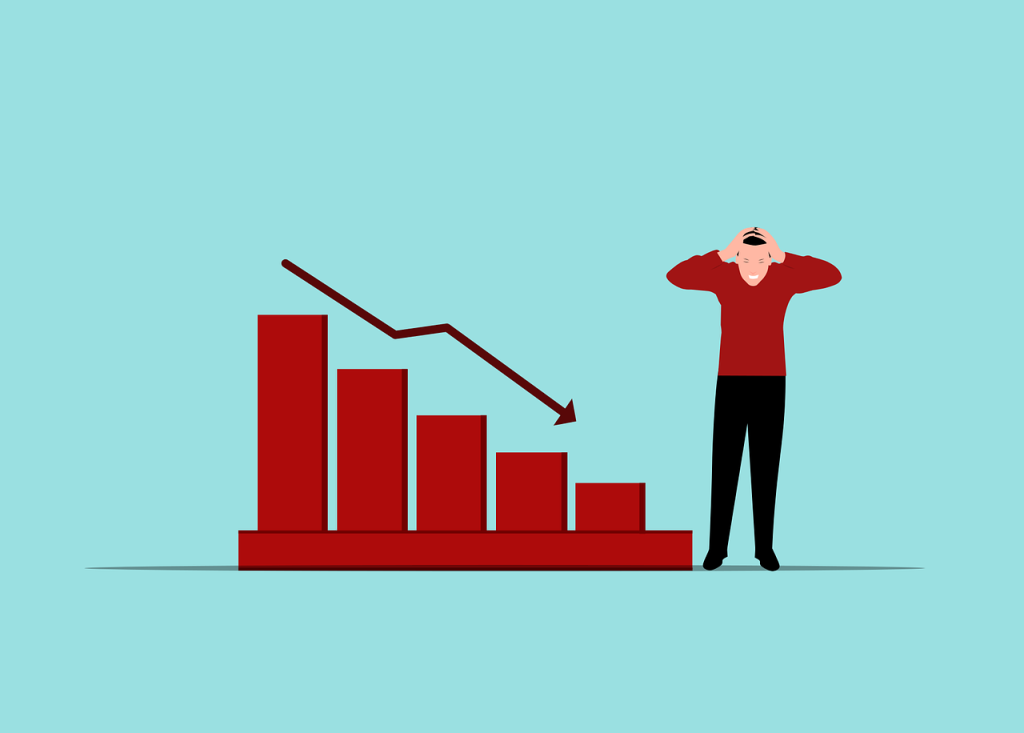
Don’t Trust Your Heart. Even when investors avoid dabbling in individual stocks and follow a less active investment strategy, their emotions can significantly hamper their investment returns by influencing when and how they invest. Investor emotions generally fluctuate based on the market cycle, feeling elated when the market is high and fearful when low. If investors act on those emotions, buying when they feel elated and selling when they are afraid, that often translates into buying at the peak of the market when prices are highest and selling when prices are lowest, i.e. the opposite of the ideal investment strategy. An article in US News on the “7 Bad Investing Habits That Are Holding You Back” compares this reactive behavior of individual investors to that of an impatient driver, stuck in traffic and envying other lanes that appear to be moving smoothly. The article explains, “[The temptation to get in the other lane] won’t necessarily get you to your destination faster, but the urge is powerful.” Emotions tend to drive investors to switch lanes (into different stocks, asset classes, or cash) often at the worst possible time, when their fear is most intense.
We are simply not wired to be good investors. While we love to buy other products on sale (new car, clothes, etc.), we do not feel the same way about our investments. Hiring a financial adviser, especially one with a clearly outlined and faithfully implemented investment strategy, can remove much of the negative influence of emotional and cognitive biases from your investment performance. Commitment to a long-term “buy and hold” investment strategy (with a fixed asset allocation and regular portfolio rebalancing) will reduce many of the cognitive biases over which individual investors stumble. And the fact that the strategy will be implemented by a relatively objective third party ensures that emotions will play less of a role.
Don’t trust your heart, or even your head. Hire an adviser, who will feel less emotional about your investments, and trust in a disciplined investment strategy though the highs and the lows instead.
If you have any questions about your financial future, we're here to help. Please use this form or feel free to call or e-mail us.
(703) 385-0870